Make sure you are agreeing to the right role
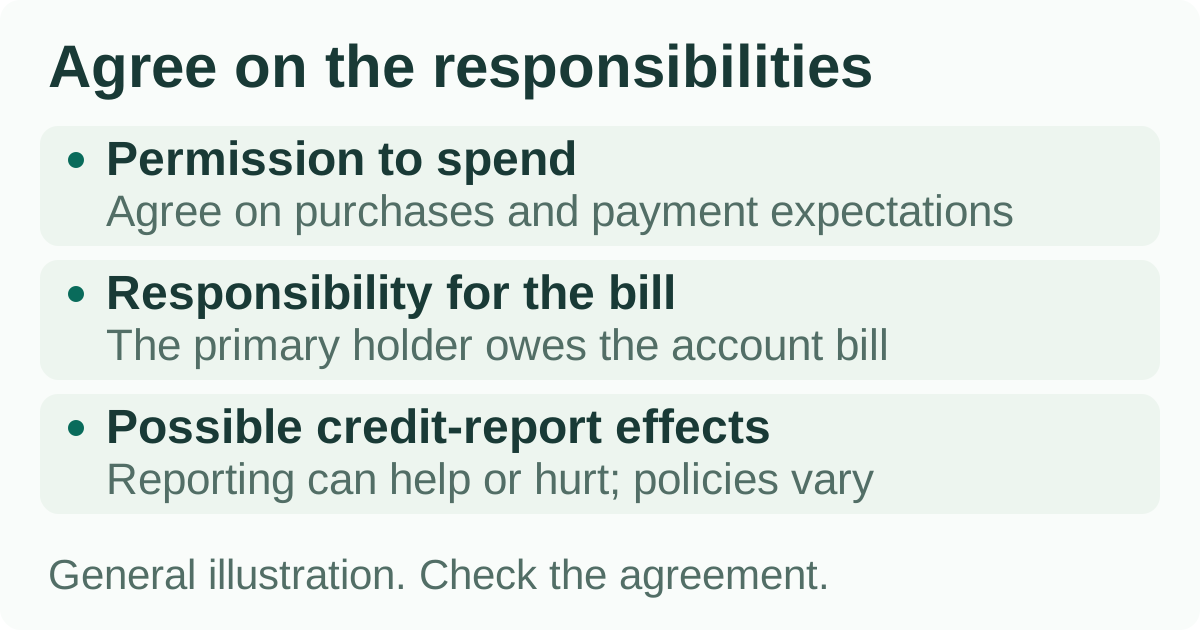
An authorized user has permission to use another person's credit-card account. The primary holder remains responsible for the account's bill, including purchases made by the authorized user.
Being an authorized user generally does not, by itself, make you responsible for repaying the account debt. Confirm the role in the agreement, especially if you have also signed as a borrower or guarantor.
A joint account creates a different responsibility
On a joint credit-card account, each holder is responsible for the full balance. The provider can seek payment from either holder, even if the other person made the purchases.
Scroll sideways to see every column.
| Role | What to understand |
|---|---|
| Primary holder with an authorized user | The primary holder remains responsible for account spending. |
| Authorized user | Permission to use the account generally does not create repayment responsibility by itself. |
| Joint account holder | Either holder can be responsible for the full balance. |
Check whether the account will appear on your reports
Authorized-user status may help build credit if the account is reported and handled responsibly. Reporting policies vary, so ask whether the provider reports authorized users and to which credit reporting companies.
The account's history matters. Missed payments or high balances can harm credit rather than help it. There is no guaranteed score increase or universal date when the account will appear.
An authorized user may have limited control over how the account is managed. Before relying on someone else's account, consider whether you are comfortable with their payment habits and the amount of debt already on it.
Agree on the routine before sharing access
The primary holder takes on the risk of paying for purchases made by another person. A clear arrangement helps both people understand the limits before money is spent.
- Which purchases are allowed, and what is the agreed spending limit?
- Who will review transactions and tell the other person about a problem?
- Will the authorized user reimburse the primary holder, and when?
- Who checks that the account payment was actually made?
- How will either person end the arrangement if it stops working?
Confirm which controls the provider actually offers. An informal spending or reimbursement agreement does not replace the account's terms.
Decide whether shared control suits you
Joining a responsibly managed account can be useful, but it requires trust and clear expectations. Opening an account in your own name gives you a different level of responsibility and control. If you compare that option, consider the fees, any deposit and a payment routine you can sustain.
Sources and further reading
Sources checked September 17, 2026.
- Provider education: authorized-user reporting and credit effectsSource dated March 3, 2026.
- Provider help: primary and additional account-user rolesNo publication date displayed; checked September 17, 2026.
- Consumer guidance: authorized-user repayment responsibilitySource reviewed September 23, 2024.
- Consumer guidance: joint credit-card responsibilitySource reviewed January 22, 2024.